
Little Dunmow's Pre-School

Sowing the Seeds for a Brighter Future

Your Child

At Little Dunmow's Pre-School your child:

  • Is in a safe and stimulating environment;
  • Is given plenty of care and attention, due to our ratio of adults to children;
  • Has the opportunity to join with other children to play, work and learn together;
  • Is supported to progress on their learning and development journey by building on what they already know and can do;
  • Has a personal key person who helps support your child on their journey
  • Is in a pre-school which sees you as a partner in helping your child to learn and develop.
Your Child at Little Dunmow's Pre-school
Key worker at Little Dunmow's

The Key Person Approach:

During your child’s time at Little Dunmow’s Pre-School he or she will be allocated a key person. Each member of staff is responsible for a small group of children to whom he or she will be their principal carer. This ensures that each child is treated as an individual and the consistency of staff gives your child a sense of security with us.

Your child’s key person is also your first point of contact should you wish to discuss any aspect of their care, progress or development.  

Your Child at Little Dunmow’s

At Little Dunmow’s Pre-School we follow the Early Years Foundation Stage (EYFS) curriculum, which sets out a framework for learning, development and care. Our aim is to give all our children the best possible start in life and the chance to achieve the five Every Child Matters outcomes:

  • Be healthy;
  • Be safe;
  • Enjoy and achieve;
  • Make a positive contribution;
  • Achieve economic well-being.

We feel that we provide an environment where all the children and adults feel included, safe and valued.

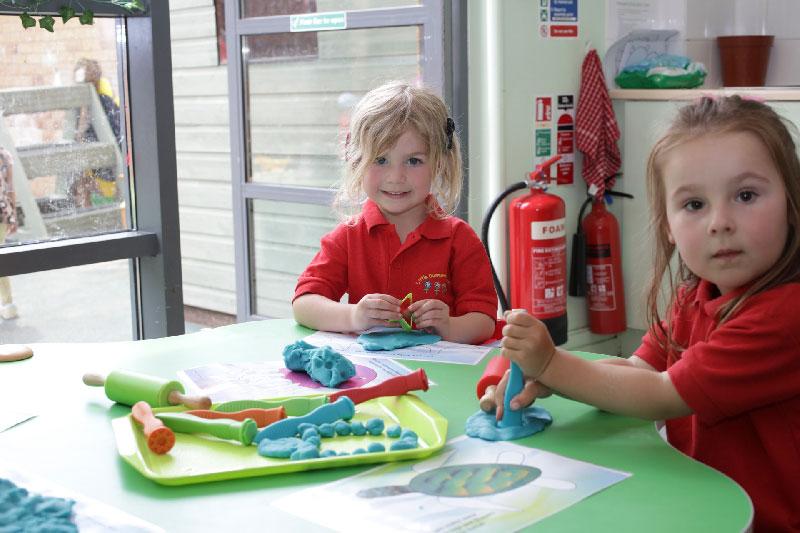
Your child’s individual learning will be nurtured, developed and extended through a wide range of positive experiences and play.

The EYFS helps us to provide your child with appropriate play and learning experiences for their individual stage of development. It enables us to recognise your child’s strengths, plan for their needs and interests, and identify areas where they might require more support to develop new skills.

All our children are able to take part in well planned play, working with an adult, with a group of friends or on their own. Your child will be regularly observed and their significant achievements will be celebrated and recorded in their Learning Journey.

Our practitioners believe in child-led experiences and will support or extend this to challenge and fulfil the children’s learning.

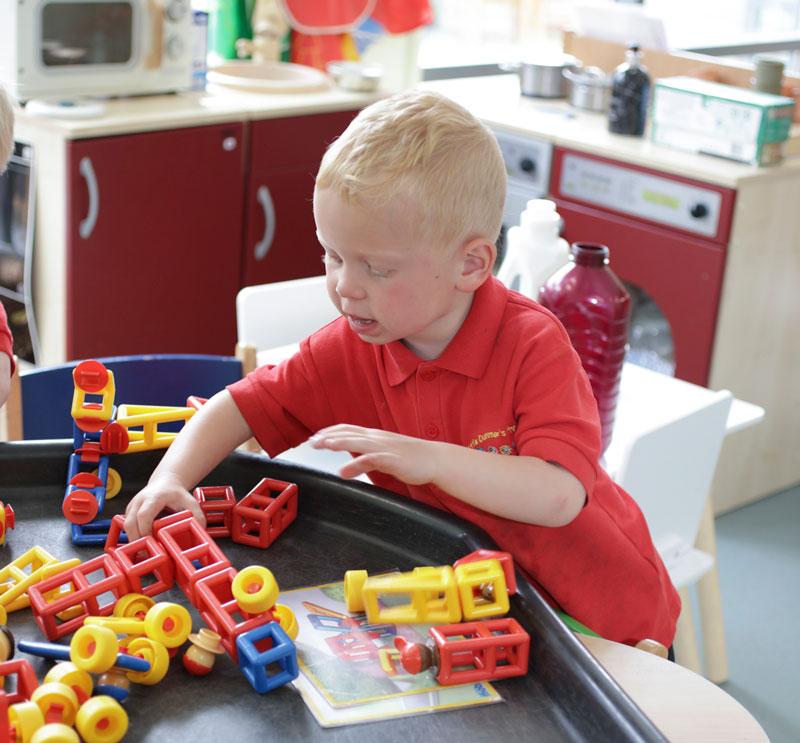
Boy reading at preschool

The First Day

The first day in any new situation can be an emotional one for everyone concerned. However, there are some things you can do to help make the first day at Little Dunmow’s Pre-School positive and fun for your child. We extend an invitation to all our families to visit the setting at least once before your child starts and spend time exploring the new environment together.

Here are a few tips to help the settling-in process go as smoothly as possible:

1.

Talk with your child about what’s coming

New friends, fun activities and a kind key person.

2.

Start early so that the day doesn’t feel rushed

Even if you are feeling worried or concerned don’t let your child pick up on your feelings as they might begin to worry too.

3.

Parents are welcome anytime, especially on the first day

You can stay as long as necessary for your child to be comfortable. A goodbye kiss and a positive smile are important for children. It is also important to tell them when you will be back to pick them up.

4.

We understand that the first few days can be a time of high anxiety for parents too

Please feel free to call the pre-school during a session or your child’s key person will arrange to call you and keep you informed of your child’s progress.

5.

New situations affect every child differently

Sometimes a child does wonderfully well on the first day because everything is new and exciting, but gets anxious on the second session when he or she recognises that this is going to be a new routine.

6.

Most children need two or three weeks to adjust fully to the new environment

The best support you, as a parent, can give is to be enthusiastic and encouraging, and to be patient

7.

If it becomes clear that your child is finding it difficult to settle within a reasonable period of time

If it becomes clear that your child is finding it difficult to settle within a reasonable period of time.

Behaviour & Educational Needs

Special Educational Needs:

Naturally, we cater for children with a wide range of special educational needs and we are well equipped and trained to work alongside the many specialists that are involved when a child has such special needs. We have a qualified Special Educational Needs Co-Ordinator (SENCO) on sight who will work in partnership with the child’s parents and any involved agencies to develop an individual plan that will aid in the development and progression of the child.

Changes in your child’s home environment:

If your child is experiencing a change in his or her home environment that may affect his or her behaviour, please let their key person know. All information given will be treated as confidential and only passed on to other staff on a ‘need to know’ basis. In these cases, communication is important. In turn, Little Dunmow’s will keep you informed of any problems we observe and we will work with you to address the situation.
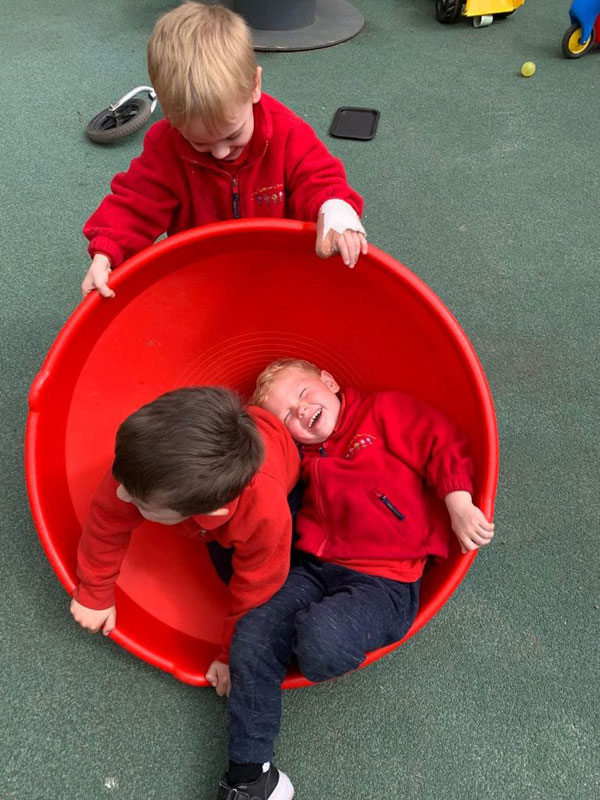
Boys having fun at pre-school playground
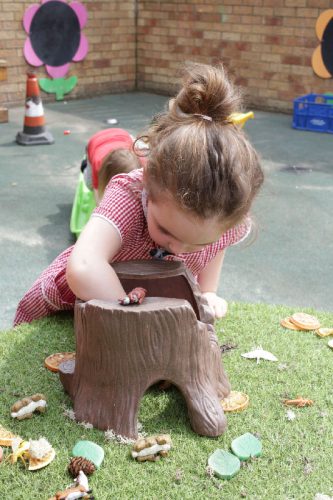
Young preschooler in playground

Behaviour Management:

Discipline at Little Dunmow’s is consistent with age and needs of each child. Physical punishment and shouting is never permitted by anyone at Little Dunmow’s . We aim to be positive by setting clear boundaries and praising good behaviour but we accept there will be times when sanctions, in the form of specific strategies, need to be enforced.

It is important that families and the setting work together at such times in order to have a consistent approach. Redirecting children to more appropriate activities can usually resolve situations as well as direct or indirect praise, leading by example and logical consequences.